

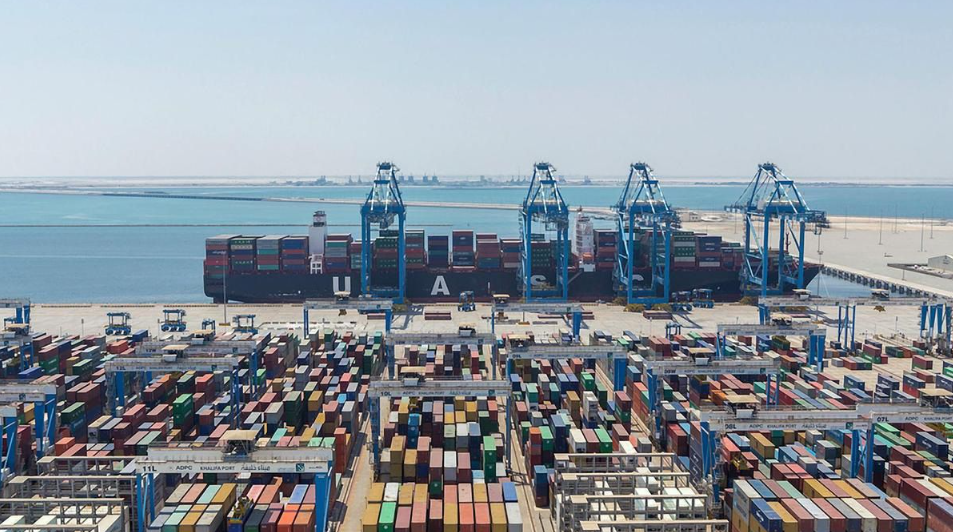
Logistics delivery in the Middle East is plagued by prominent pain points, which are severely restricting delivery efficiency and raising logistics costs due to the combined influence of local policies, infrastructure, religious customs and other factors.
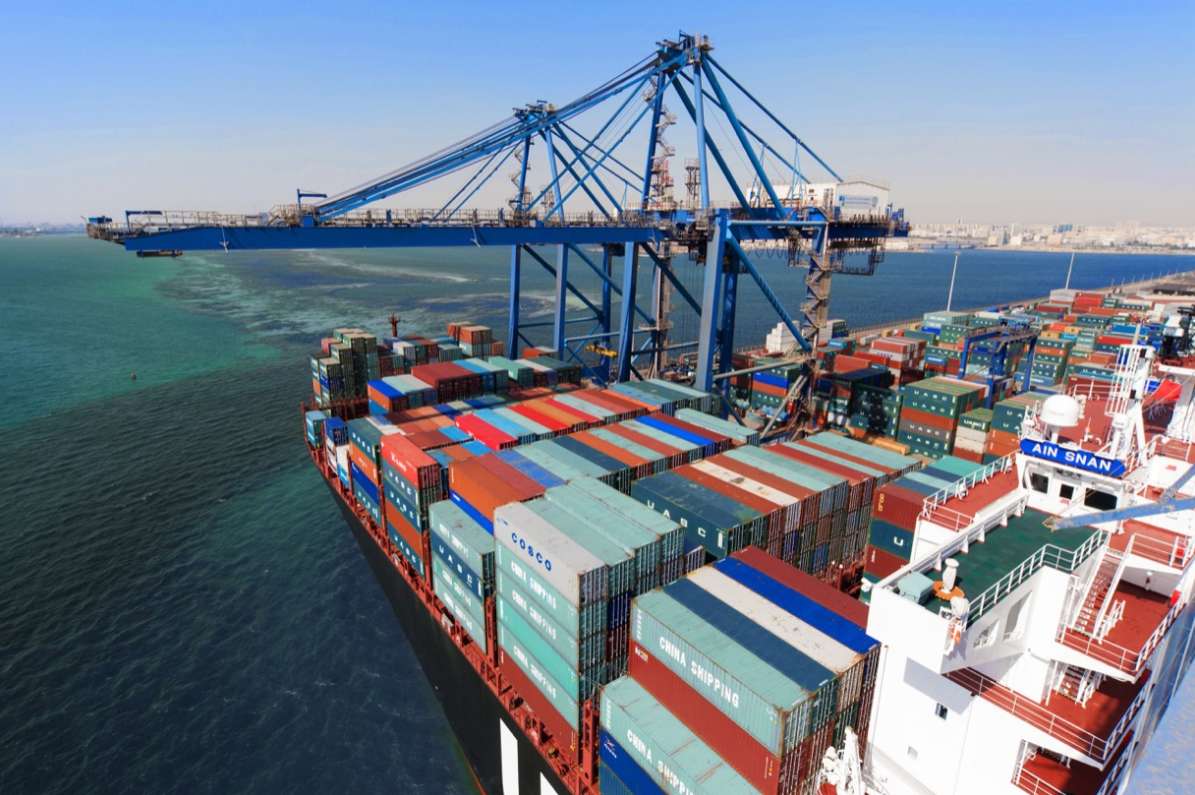
The core pain point is the poor connection between customs clearance and delivery. Most goods can complete booking and transportation smoothly, but suffer from customs clearance delays caused by inconsistent clearance documents and strict local inspections. Afterwards, delivery providers fail to follow up in a timely manner, leaving goods stranded at ports or warehouses for a long time and incurring high port and warehouse detention fees.
The second major issue is the last-mile delivery dilemma. Infrastructure is underdeveloped in some Middle Eastern cities; remote areas have narrow roads and unclear signage, and recipients often provide non-standard addresses. These problems frequently lead to failed deliveries and repeated dispatch attempts, which greatly increase delivery costs and extend lead times. Besides, religious customs and holidays exert a notable impact: during Ramadan, the efficiency of local logistics companies drops by half and operations suspend during certain hours, and no temporary delivery services are arranged on holidays. All these cause huge fluctuations in timeliness and make accurate delivery scheduling nearly impossible.
In addition, delivery costs are non-transparent and compliance requirements are complicated, with inconsistent delivery standards across different countries and hidden charges in some regions. There is a high risk of cargo damage or loss, and the claims settlement process is cumbersome and time-consuming. What’s more, local logistics service providers vary greatly in qualification and have weak coordination capabilities, further worsening the chaos in the delivery process and bringing numerous troubles to cross-border logistics practitioners.