

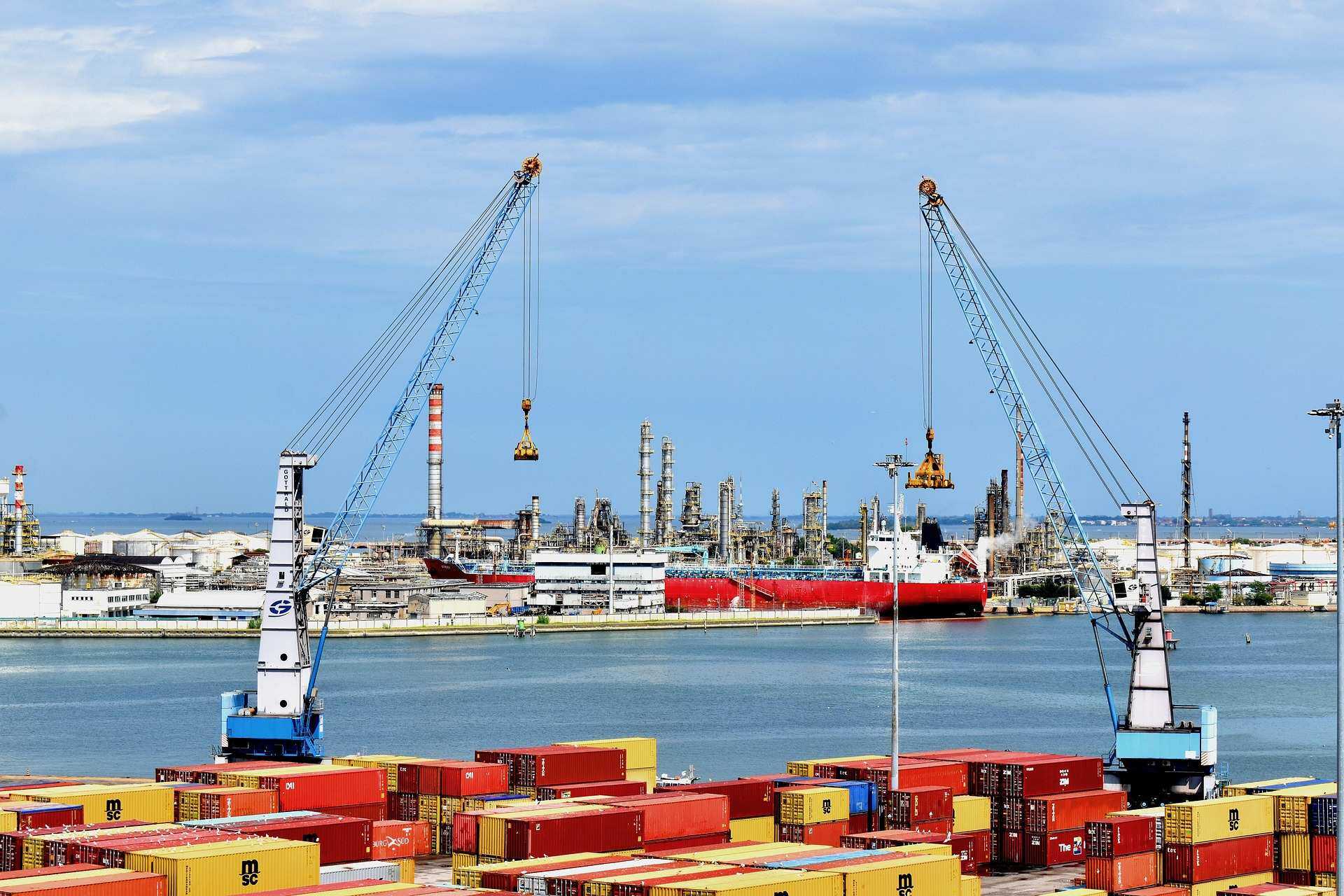
The imposition of customs duties on export goods in the Middle East is essentially a policy formulated by various countries based on multiple considerations such as economic development, industrial protection and fiscal stability, combined with their own resource endowments and development visions. The core reasons can be summarized into three points, balancing short-term needs and long-term development.
Firstly, to increase fiscal revenue and reduce economic dependence. Most Middle Eastern countries have long relied on oil and gas resources for export, resulting in a relatively single fiscal structure. Export duties have become an important supplement to non-oil revenue. For example, countries such as Iraq and Saudi Arabia impose taxes on export commodities to offset fiscal deficits caused by fluctuations in oil prices, provide financial support for public services and infrastructure construction, and reduce dependence on a single resource.
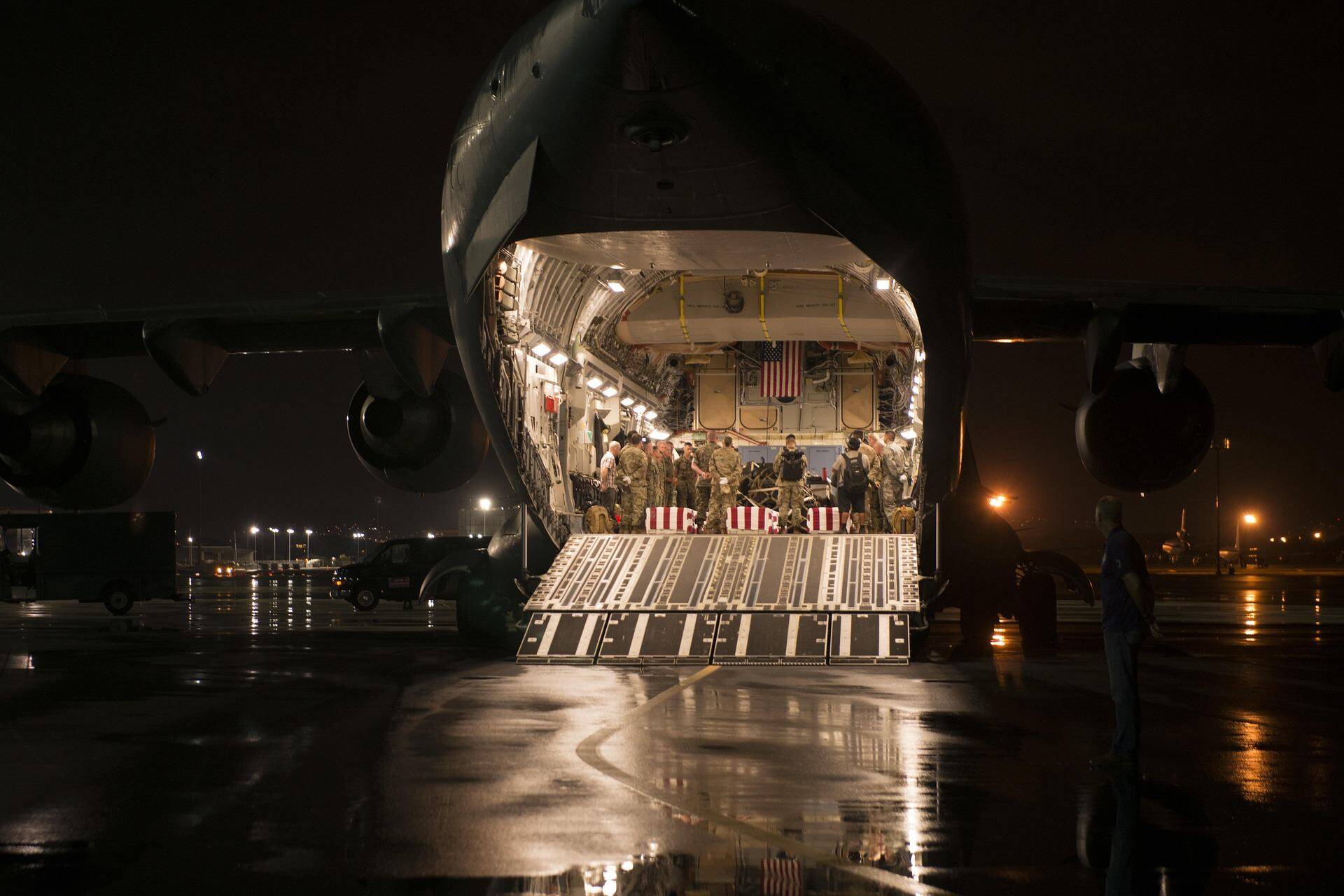
Secondly, to protect local industries and promote value chain upgrading. For some key export commodities, customs duties can force industries to transform toward high added value. For instance, Egypt imposes export duties on unprocessed extra-long staple cotton to push enterprises to shift to deep processing of fabrics and ready-made garments; Oman raises export duties on dates to protect the foundation of traditional agriculture while promoting high-end products and enhancing industrial competitiveness.
Thirdly, to regulate the trade structure and achieve development strategies. Customs duties are an important lever for countries to implement their economic visions. They can not only restrict the export of low-value-added raw materials, but also guide the rational allocation of resources in line with industrial policies. Meanwhile, some countries use tariffs to adjust export volumes, stabilize domestic market supply, maintain exchange rate stability, support economic diversification, and achieve long-term development goals.
In summary, Middle East export duties are not a simple tax tool, but an important regulatory instrument balancing fiscal, industrial and strategic development, tailored to the economic structure and development needs of each country.
With 20 years of expertise in Saudi Arabia double-clear logistics and transportation, Ontask have accumulated extensive experience and resources, with complete customs clearance certificates.We provide air freight and sea freight double-clear services to improve cargo transportation efficiency and save transportation costs for customers.As a strategic partner of e-commerce platforms, we offer overseas Chinese warehouse management and appointment-free delivery to e-commerce platforms.