

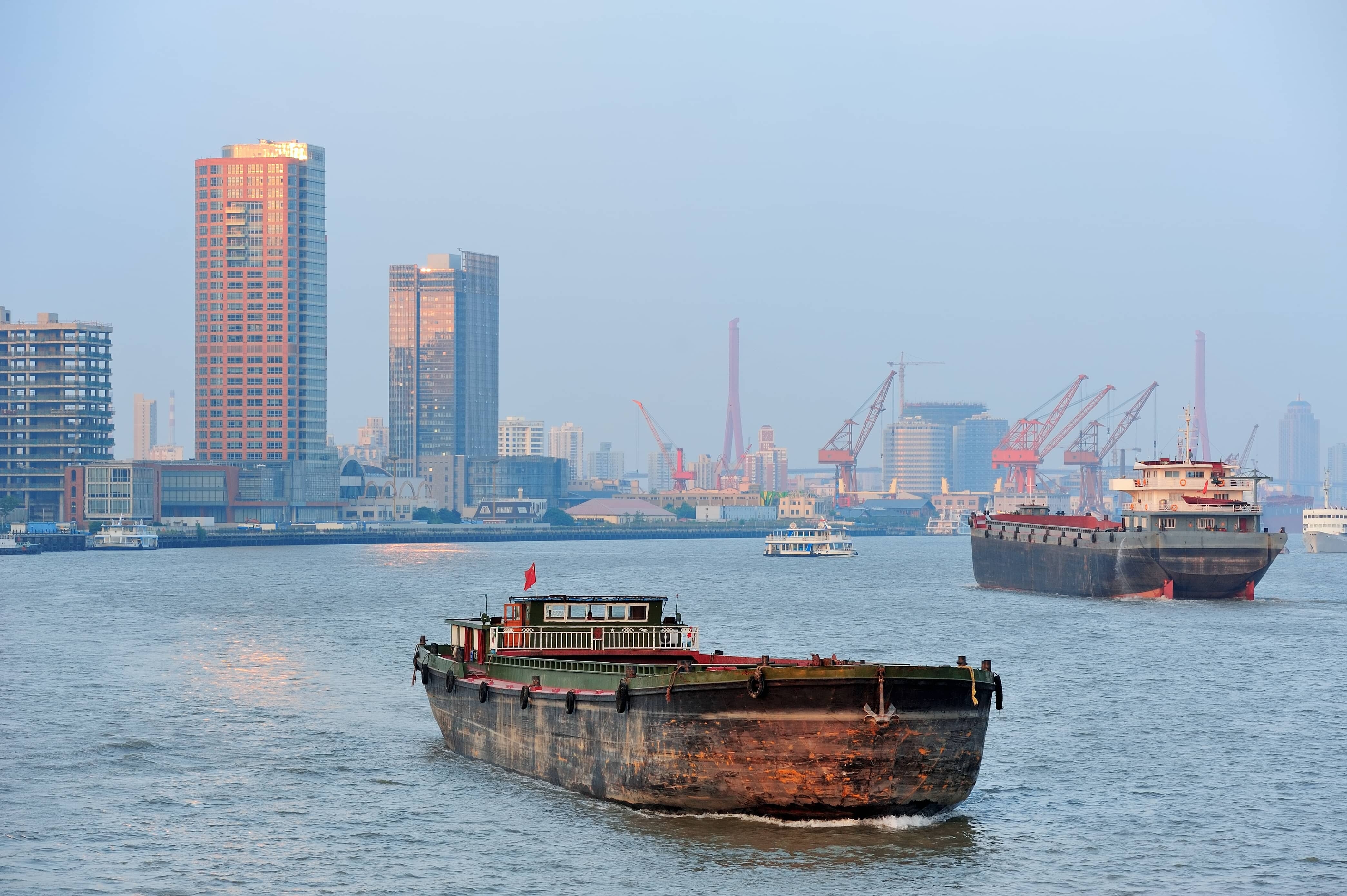
Selecting the right container type, arranging cargo scientifically and carrying out standardised securing can greatly boost container space utilisation, reduce cargo damage and extra surcharges, and ensure stable, smooth transit via the Dubai special line.
Preferred Container Type
The 40HQ container is the top choice, with a volume of roughly 65–68 CBM. It is ideal for large-volume hardware and construction materials, offering over 60% more loading capacity than a 20GP and lower unit freight costs.
Complete cargo standardisation prior to loading: unify outer carton dimensions, accurately measure the volume and weight of all goods, and sort items following the rule "heavy goods at the bottom, light goods on top; large items below, small items above". Use container loading simulation software in advance to plan layouts, achieving a space utilisation rate of over 90%.

Core Loading Principles
Place heavy cargo, large steel products and stone materials on the bottom layer, with lightweight goods and small hardware pieces stacked above to prevent light items from being crushed by heavy loads.
Distribute weight evenly throughout the container: weight difference between the left and right sides shall not exceed 500kg, and the front-rear weight gap shall be limited to 800kg maximum, so as to avoid container tilting and lifting hazards.
Group goods of identical sizes together to minimise gaps. Fill voids with bubble wrap and cardboard to stop cargo shifting and colliding during transit.
Wrap sharp-edged hardware for protection to prevent scratches on adjacent shipments. Lay wooden pallets on the container floor to disperse pressure and avoid damage to the container base. Reserve buffer space near the container door for easy closing and to prevent compressive damage.
If utilising the door-to-door customs clearance & tax-inclusive service of the Dubai special line, standardise packaging and shipping marks beforehand to facilitate seamless customs clearance and full-track shipment visibility.