

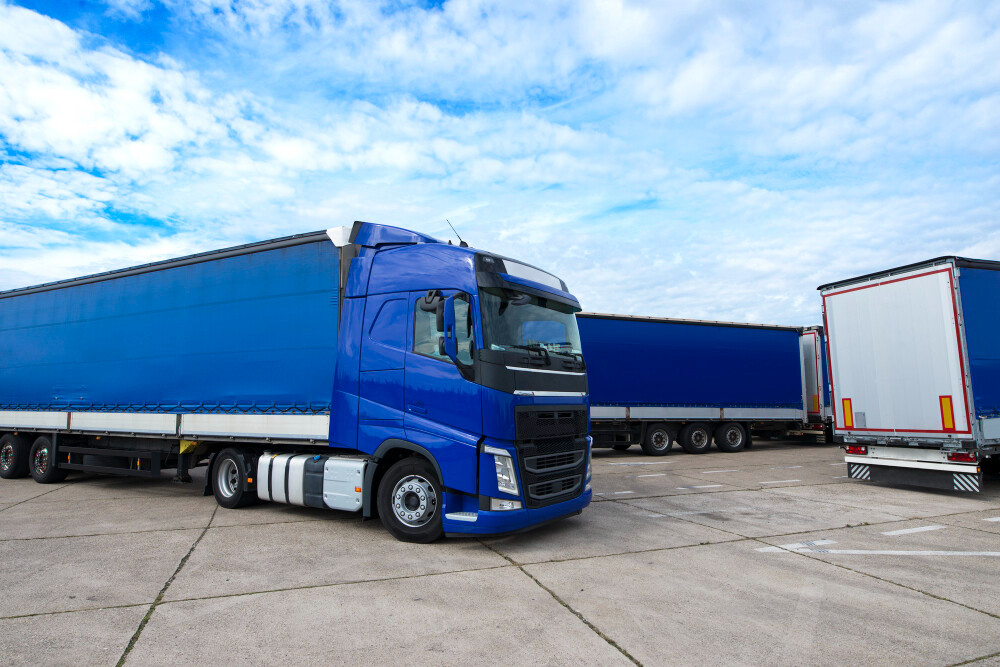
The Middle‑Eastern e‑commerce sector has entered a period of rapid boom in recent years. Boasting high online‑shopping penetration, low‑market saturation and robust purchasing power, it has become a high‑potential blue‑ocean market for cross‑border merchants. As the core hub for trade, logistics and online commerce across the Middle East, Dubai serves neighbouring countries and regions. It acts as the primary gateway for Chinese sellers to break into local markets and tap into lucrative business chances. The combo of dedicated Dubai shipping routes and overseas‑warehouse deployment has turned into a vital strategy for sellers to gain a competitive head‑start.
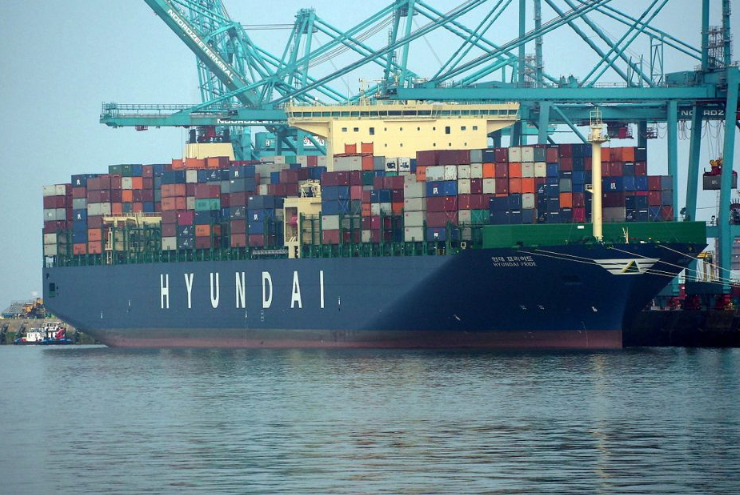
Dubai‑specialised shipping lines lay a solid foundation for efficient cross‑border shipments. Compared with conventional international logistics services, custom‑built Dubai freight routes integrate air‑sea intermodal transport resources and feature mature, streamlined customs‑clearance workflows. They effectively avoid warehouse backlogs and shipment delays during peak seasons and greatly cut down transit time. Besides, these dedicated routes cover the United Arab Emirates, Saudi Arabia, Qatar and other Middle‑Eastern nations. They help sellers slash per‑unit logistics costs and resolve common‑industry pain‑points including slow delivery speed and high freight fees for direct shipments dispatched from China.
Dubai overseas warehouses constitute the core lever for sellers to carry out localised operations. Merchants stock goods in advance at local Dubai warehouses to achieve fast‑track local order fulfilment. Orders can be delivered within a short timeframe, which substantially lifts buyers' shopping experience. Overseas warehouses also support dropshipping and localised return‑and‑exchange services. They raise the successful‑delivery rate and positive‑review rate of online stores, accommodate Middle‑Eastern e‑commerce consumption scenarios and assist merchants in building‑up favourable store reputations.
Amid mounting competition within Middle‑Eastern online retail, the combined model of dedicated logistics routes plus overseas warehouses enables Chinese sellers to tackle three major hurdles: transit speed, delivery expenses and after‑sales services. Low‑cost, high‑efficiency localised layouts allow sellers to gain a firm foothold, expand market share and capitalise on the golden‑age boom of Middle‑Eastern cross‑border e‑commerce.