

Vacuum cleaners with built‑in lithium‑ion batteries are popular battery‑powered home appliances exported to the United Arab Emirates. Both sea and air dedicated‑line shipments are governed by international dangerous‑goods regulations and local customs‑clearance rules in the UAE. Such commodities are not classified as general cargo. Concealment or omission of their battery‑powered nature is strictly prohibited. Non‑compliance may easily lead to cargo detention, return shipment and fines. Exporters need to distinguish between compliance standards for sea and air transport, standardize packaging and declaration procedures, and ensure smooth customs clearance and final delivery.

For air transport, shipments shall comply with IATA Dangerous Goods Regulations. Built‑in lithium‑ion batteries fall under UN3481, Class 9 dangerous goods. Units with a rated battery capacity ≤ 100 Wh can be transported on passenger aircraft. Batteries rated 100‑160 Wh require special airline approval and can only be shipped via cargo‑only aircraft. Batteries exceeding 160 Wh are not acceptable for carriage. Before shipment, the battery charge level shall be kept below 30%. Electrodes shall be insulated and the whole appliance secured to prevent shifting inside the package. Compliant lithium‑battery labels must be affixed to outer cartons. Required documents including the UN38.3 test report, MSDS and air‑transport identification report shall be prepared, and the battery‑powered attribute of the goods shall be declared truthfully.
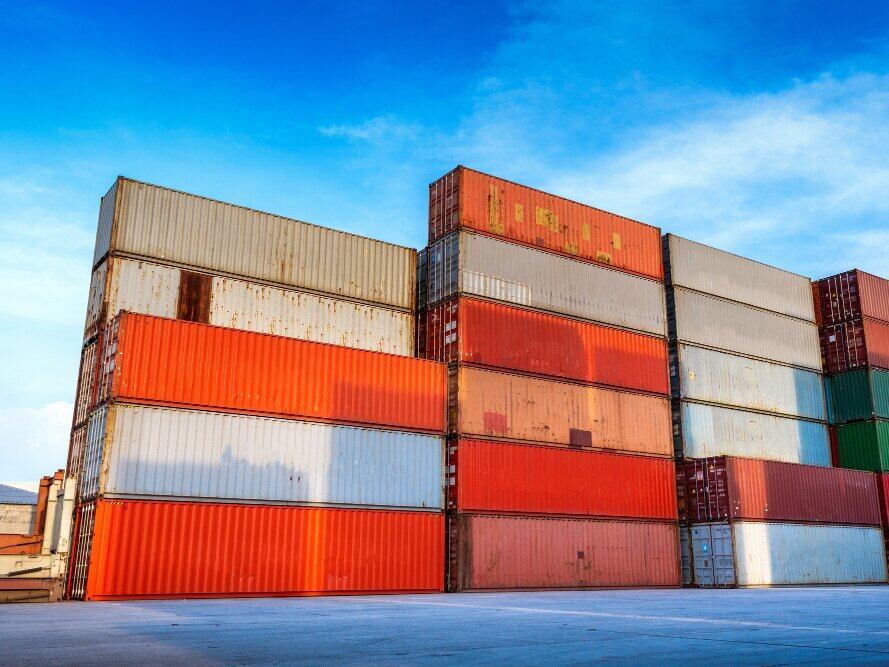
For sea transport, shipments are subject to the IMDG Code. Compliant lithium‑battery vacuum cleaners are eligible for general‑cargo declaration exemption, yet strict shipping specifications still apply. Product packages must pass drop and stacking tests, and internal cushioning protection shall be provided to avoid battery short‑circuit. It is recommended to limit battery charge to no more than 30%. For LCL (less‑than‑container‑load) shipments, the goods shall be kept far away from high‑risk hazardous materials. Maritime declaration must be completed in advance. Moisture‑proof and heat‑insulating measures should be taken to prevent safety hazards triggered by high temperature and humidity during ocean transit.
Both sea and air shipments must meet UAE customs‑clearance requirements. It is recommended that products be equipped with ECAS and GCC certifications, with product specifications and safety warning labels printed in both Arabic and English. Complete customs documents are required, and lithium‑battery specifications must be clearly stated on commercial invoices. By choosing a reliable battery‑goods dedicated line to the UAE, you can exercise full‑process control over packaging, declaration and dual‑clearance procedures, mitigate compliance risks, and guarantee the stable and safe delivery of lithium‑battery vacuum cleaners to all regions across the UAE.