

For cross‑border sellers stocking inventory in Saudi Arabia's overseas warehouses, what cost‑optimization tips apply when restocking via dedicated logistics lines?
For businesses deeply engaged in the Saudi cross‑border market, the model of "stockpiling via sea freight at overseas warehouses plus flexible restocking through dedicated lines" is a mainstream logistics solution that balances low costs and stable order fulfillment. By refining operational details in light of Saudi Arabia's local logistics characteristics, sellers can effectively cut overall logistics costs and boost store profitability.

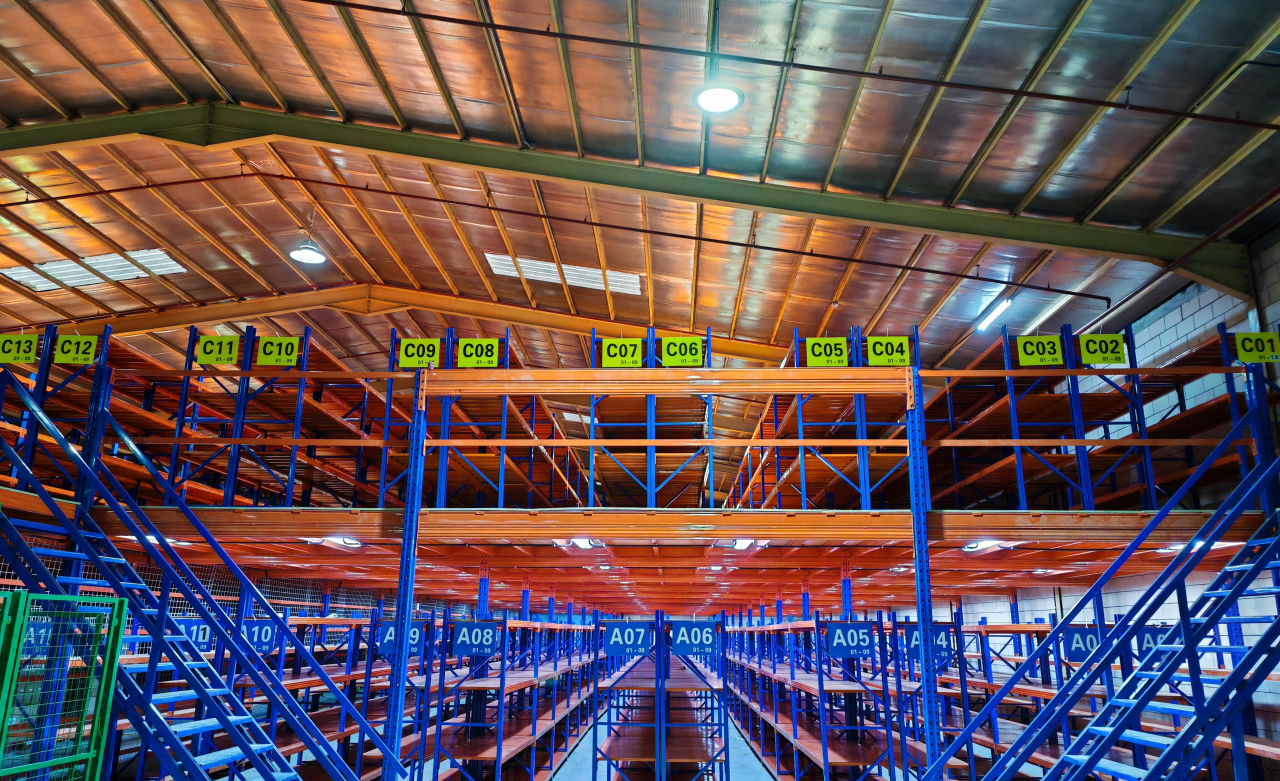
First, adopt differentiated inventory allocation to control first‑leg freight costs. For best‑selling, fast‑moving products, prioritize bulk stockpiling via full‑container or less‑than‑container sea freight, as sea freight costs are only 20‑40% of air freight rates. It is recommended to prepare 80% of base inventory 45 days ahead of peak seasons to secure low‑priced shipping space. The remaining 20% flexible inventory can be replenished through Saudi dual‑clearance dedicated lines to accommodate sales fluctuations. Slow‑moving niche SKUs do not require warehouse stockpiling; instead, use dedicated lines for small‑batch restocks to avoid idle warehouse space and overstock risks.
Second, exercise fine‑grained control over inventory and logistics channels. Plan inventory based on historical sales data, seasonal shifts and promotional calendars. Maintain 30‑45 days of safety stock for regular categories, and strictly manage inventory cycles for large‑sized slow‑moving items to reduce hidden expenses such as overseas‑warehouse storage fees and unsold stock losses. Meanwhile, establish long‑term partnerships with dedicated‑line service providers to lock in peak‑season freight rates in advance. Consolidate multiple small shipments to lower per‑shipment logistics unit costs.
Third, optimize packaging and last‑mile delivery details to drive down expenses. Streamline product packaging to reduce volumetric weight, cutting first‑leg billing costs at the source. Consolidate orders for dispatching from overseas warehouses wherever possible to reduce miscellaneous last‑mile fees. Regularly clear stagnant inventory; leverage relabeling and liquidation services at overseas warehouses to free‑up working capital, so as to comprehensively reduce cross‑border operational costs.