


The Middle East cross-border e-commerce market is booming, and double-clearance dedicated lines have become essential for sellers expanding overseas. Nevertheless, customs clearance bottlenecks continue to hold back business growth. With advance planning and proper arrangement, you can drastically cut customs risks.
Certification barriers stand as the top challenge. Middle Eastern countries enforce strict product certification requirements. SABER certification for Saudi Arabia, ECAS certification for the UAE and GCC certification are mandatory entry permits for electronics, building materials and other product categories. Shipments without valid certificates or with inconsistent documentation will be detained directly. Shipments involving religiously prohibited items, counterfeit goods and restricted products face extremely high inspection rates; non-compliant items may be confiscated entirely. Sellers should verify certification standards well ahead, appoint formal bodies to apply for certificates, compile a restricted goods list, and attach brand authorization documents alongside branded shipments.
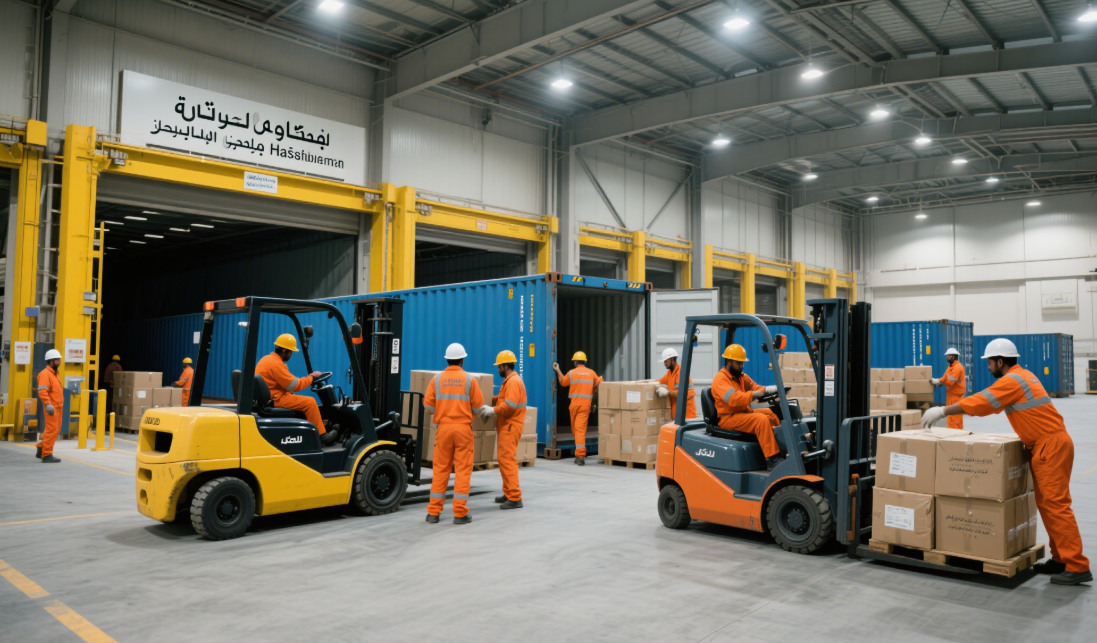
Declaration discrepancies constitute hidden obstacles. Vague descriptions, under-declared cargo value and inconsistent documents vs. actual goods rank among the leading causes of customs inspections. Middle East customs conduct rigorous reviews, and even minor mismatches can lead to cargo detention and sky-high warehousing fees. Sellers must implement precise declaration practices: describe goods accurately, ensure full consistency across all documents, and declare cargo values in line with fair market prices.
Choosing the right logistics channel is critical. Unqualified freight forwarders often suffer clearance delays due to insufficient local resources, while personal clearance applications have an extremely low success rate. Sellers should prioritize service providers with licensed local customs clearance capacity in the Middle East. When signing contracts, clearly specify delivery timelines and compensation clauses. Confirm compliant shipping channels for restricted goods beforehand, build an internal compliance manual, and maintain real-time communication with your logistics partner.