

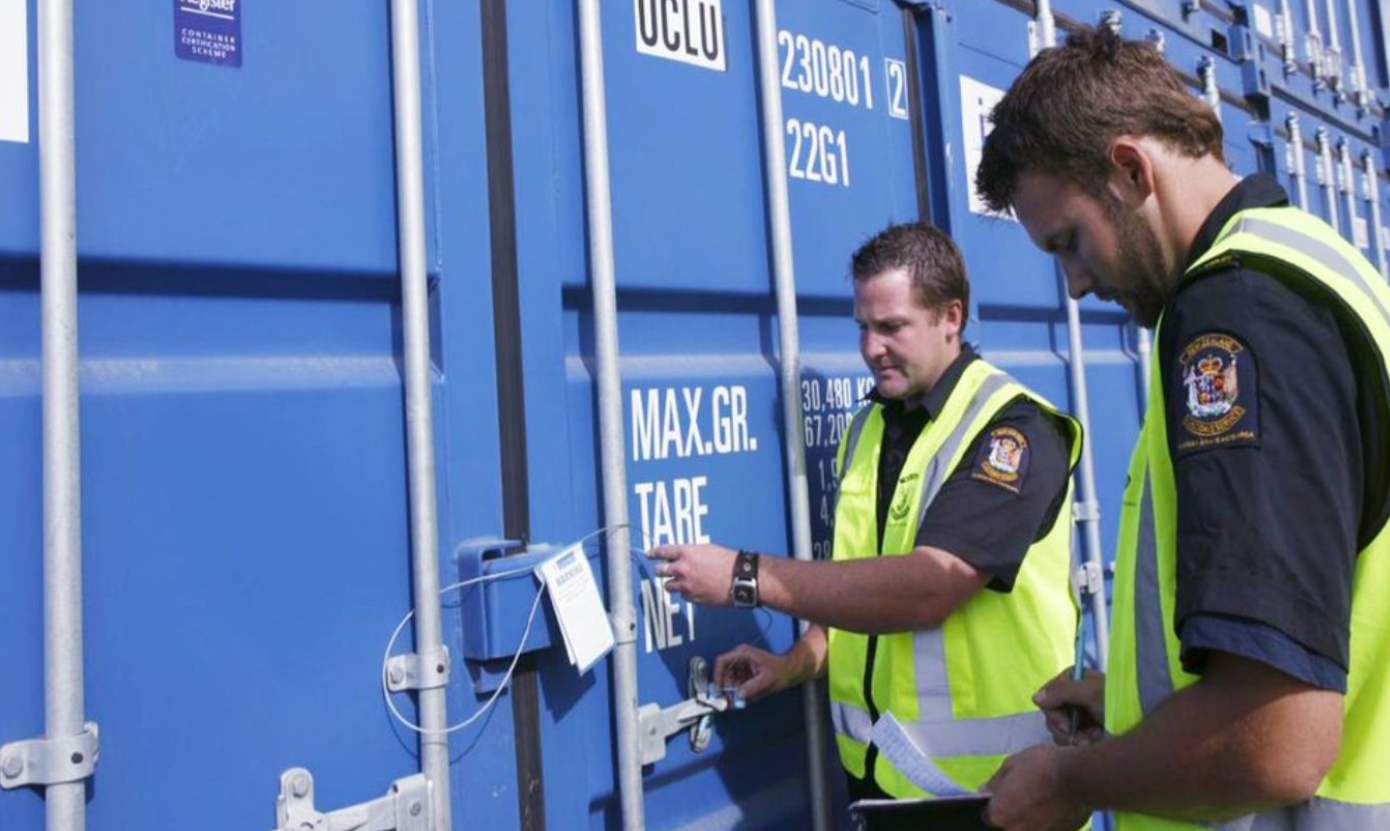
In the scenarios of Saudi dedicated logistics and overseas warehouse stocking, white clearance and grey clearance are the two mainstream customs clearance methods, with huge differences in compliance and risk. Saudi Arabia adopts a strict customs supervision system and leverages digital systems to rigorously inspect cargo clearance compliance. The customs clearance method directly affects cargo timeliness, capital security and store operation, making it a core consideration for cross-border merchants expanding into the Saudi market.
White clearance is an officially recognized compliant customs clearance model. Merchants declare the cargo value and HS codes truthfully, complete compliance certificates such as SABER and SASO, and pay customs duties and VAT in full. The whole process is traceable and verifiable. This model features a low inspection rate and stable clearance lead time. Formal tax payment certificates can be issued. After the goods arrive at the overseas warehouse, they can be normally put on shelves for sale without compliance risks. It is suitable for brand merchants and cross-border enterprises with stable long-term stocking plans, and serves as the mainstream compliant logistics solution for Saudi Arabia.

Grey clearance refers to a non-compliant customs clearance practice. It usually evades taxes by under-declaring cargo value, using certificates fraudulently, tampering with commodity codes and other means. No legitimate tax payment documents are available, and there are no formal filing records for the goods upon entry. Its only advantage is lower short-term logistics cost, yet it carries extremely high risks. Equipped with an intelligent inspection system, Saudi Customs conducts stringent screening. Cargo under grey clearance is highly vulnerable to detention and inspection. Once violations are confirmed, merchants are required to settle back taxes and pay heavy fines. In severe cases, the goods may be confiscated and destroyed.
Overall, the two clearance methods differ vastly in pros and cons. While grey clearance appears cost-saving, it conceals multiple risks including cargo detention, fines, account blacklisting and platform store suspension, with no after-sales guarantee whatsoever. White clearance delivers transparent costs, controllable risks and complete after-sales support. It can fully eliminate hidden hazards for long-term operation. It is the reliable option for shipments via Saudi dedicated lines and overseas warehouse stocking, as well as the fundamental guarantee for cross-border enterprises to develop the Middle East market in depth.